
RDF Pyrolysis for Waste-to-Energy
ENC Energy Andes SpA
Puerto Montt, Chile
January 2022 – 2023
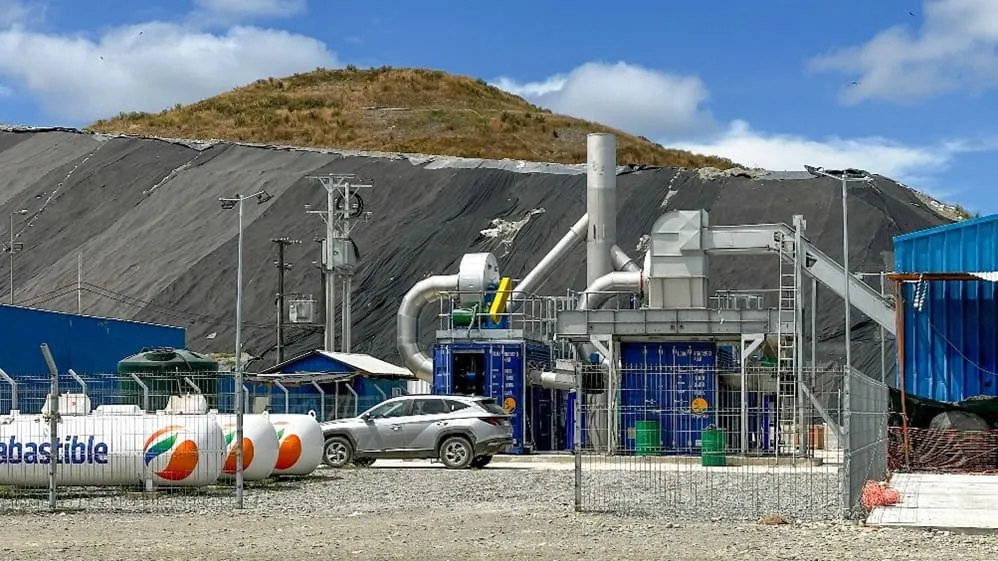
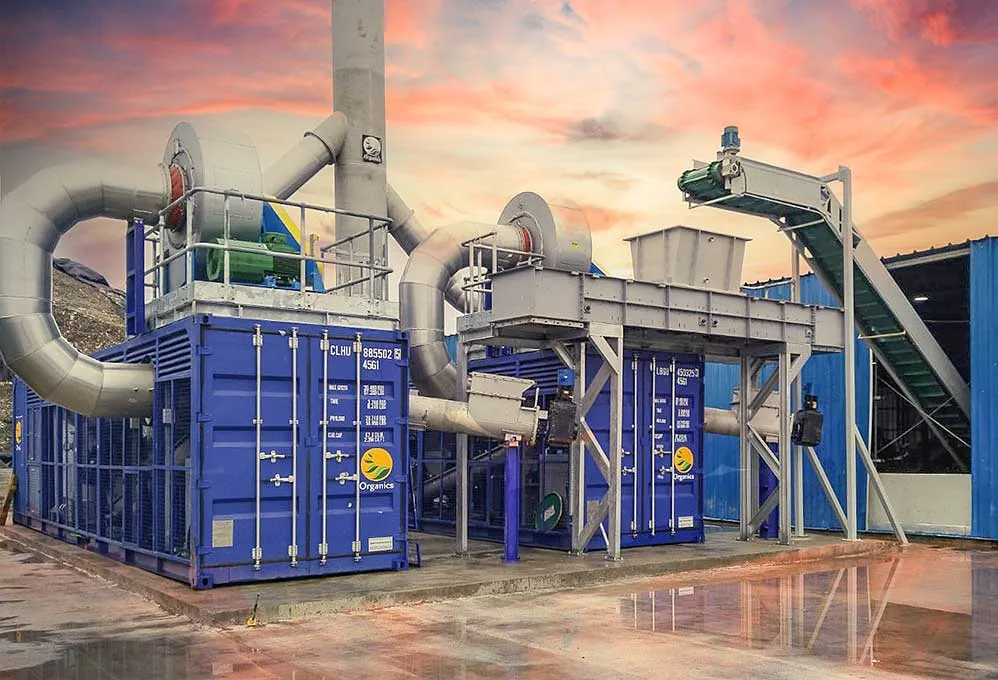
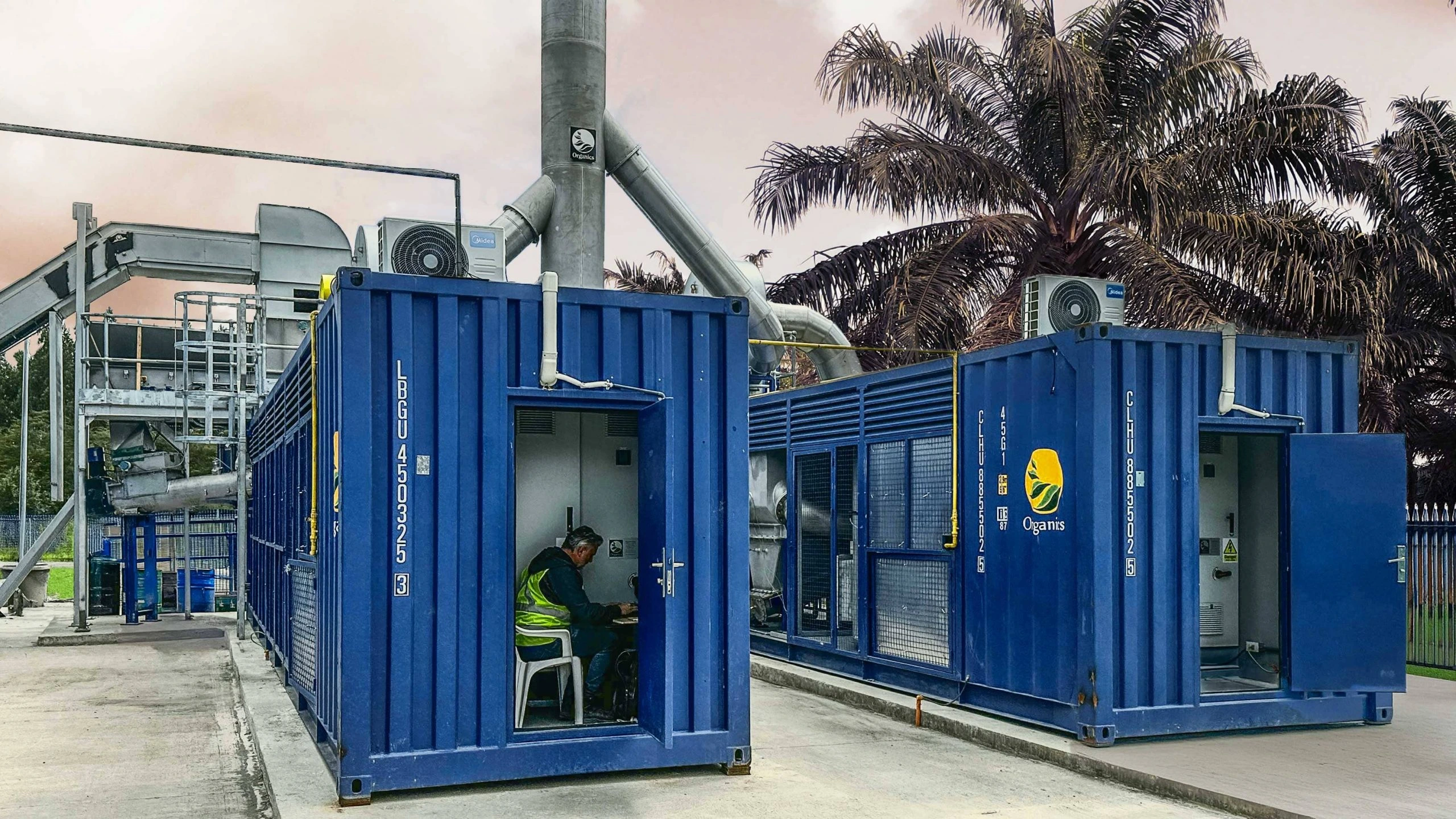
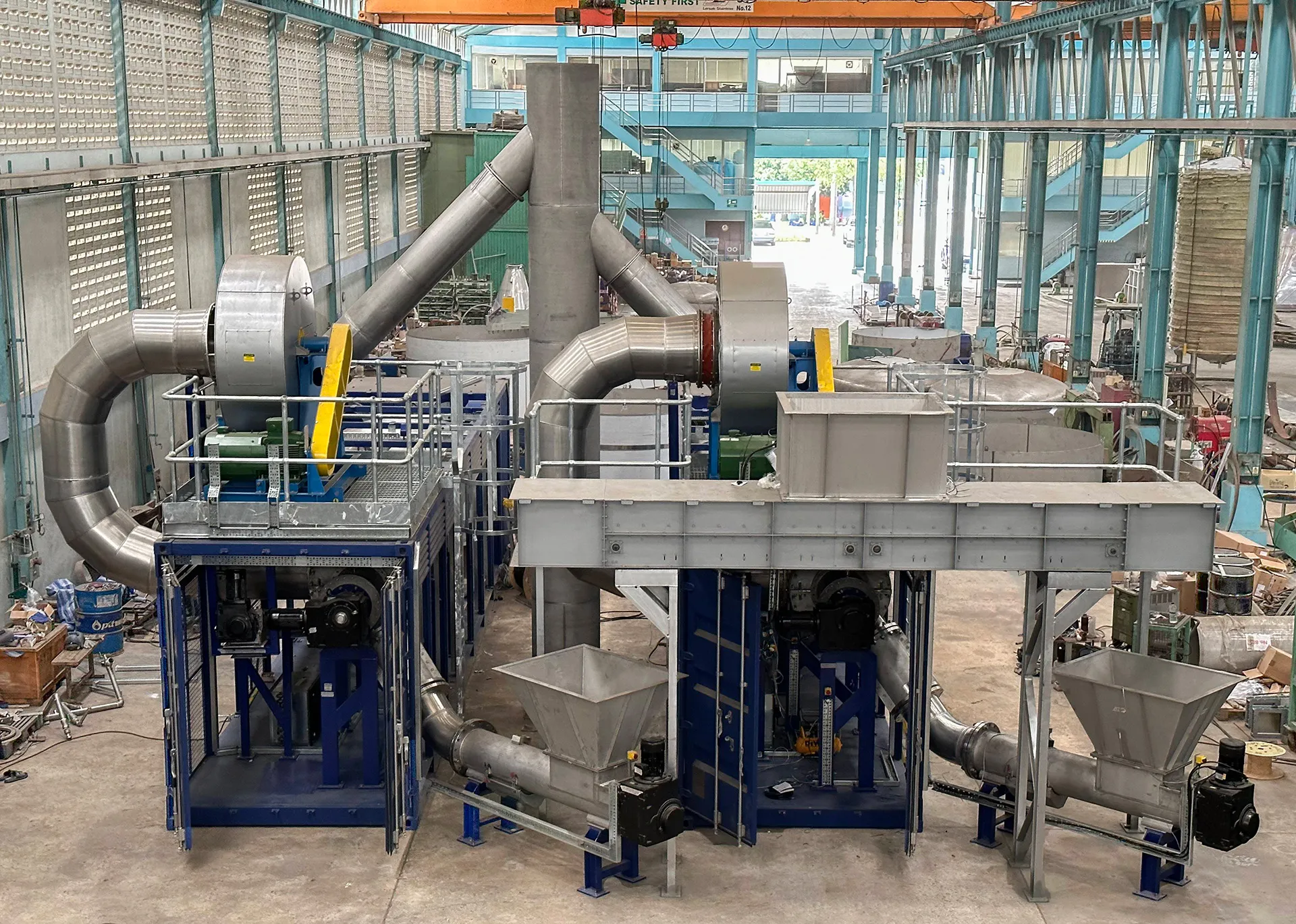
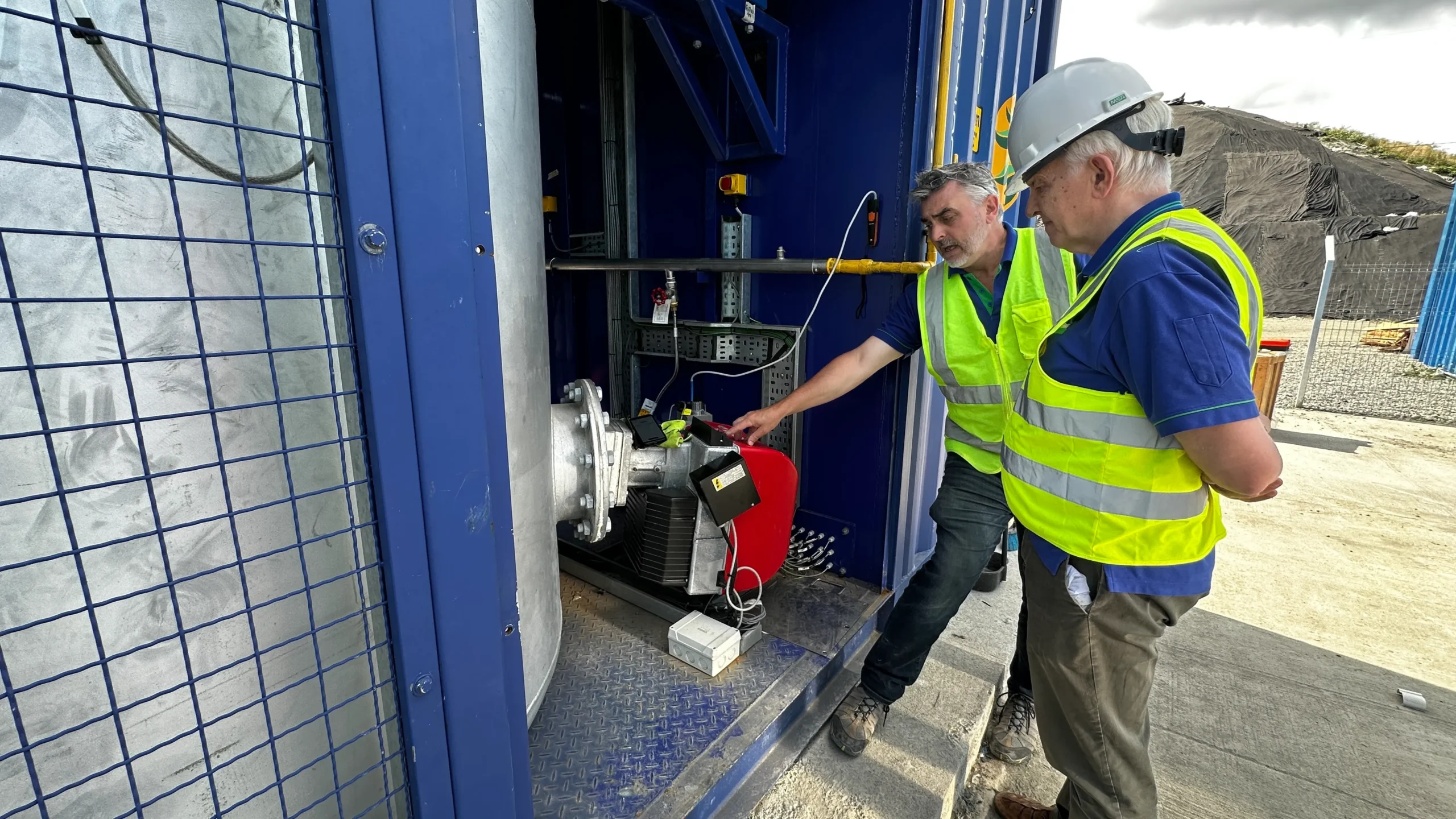
Organics delivered a pyrolysis project for the thermal treatment of Refuse Derived Fuel (RDF) in Puerto Montt, Chile.
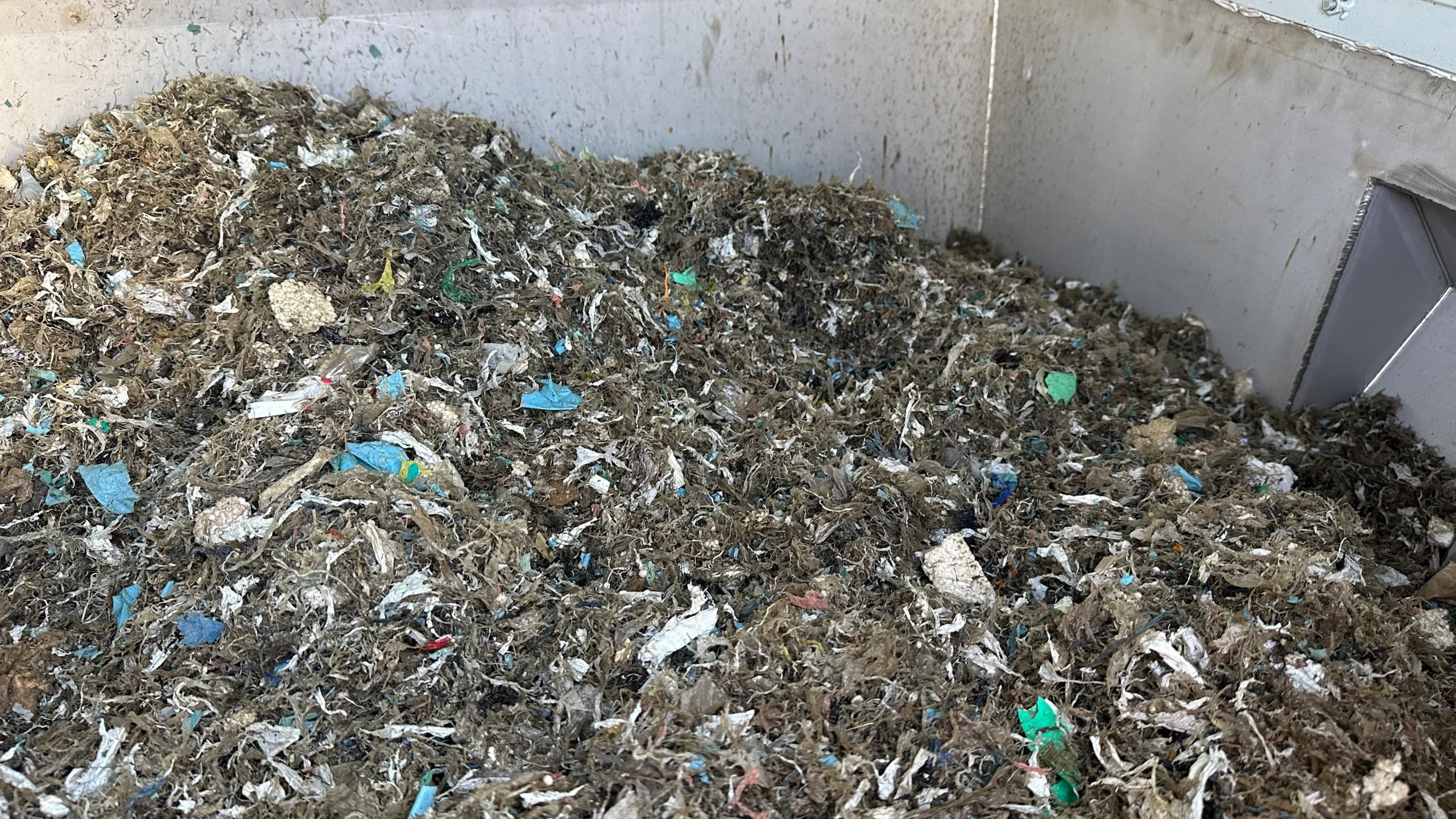
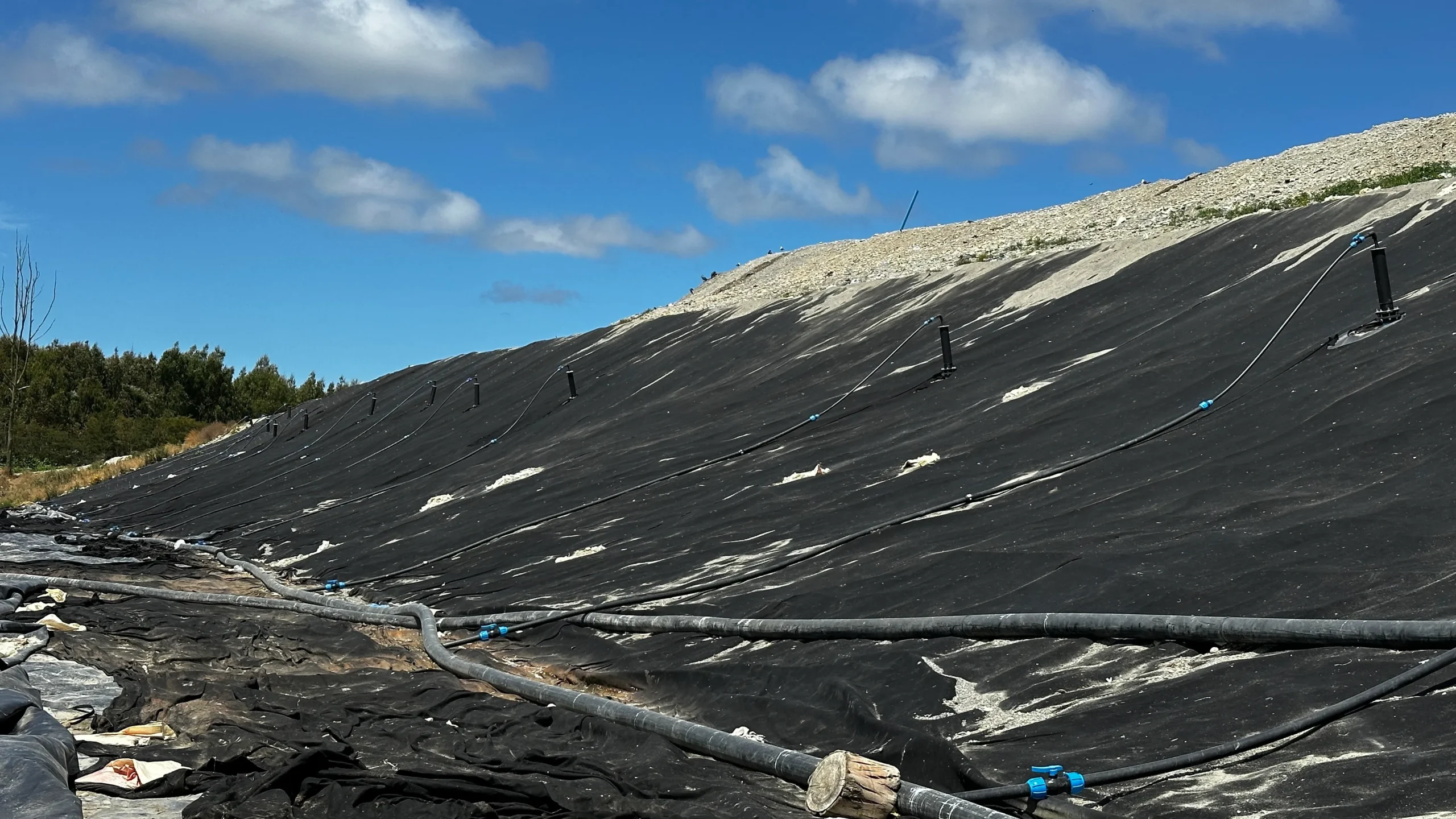
This project was designed to address municipal and industrial waste challenges by processing residual material, including fish processing waste, plastics, and landfill-bound materials. By subjecting the Refuse Derived Fuel (RDF) to pyrolysis, the project significantly reduces the volume of waste sent to landfill while generating valuable thermal energy. The system’s design incorporates an efficiency boost by using the generated heat to dry the RDF before it enters the reactor.
Project OVERVIEW
Pyrolysis is a sophisticated thermal process that operates in a low-oxygen environment, converting waste material into energy products (syngas and biochar). This project ensures that non-recyclable waste is diverted from landfills, extending the site’s lifespan and converting waste into a usable energy source for on-site use or power generation via an ORC generator.
Project Specification
-
Waste Type: Refuse Derived Fuel (RDF) from fish processing and other sources
-
Process: Pyrolysis
-
Mass Feed Rate (Wet): Up to 1,000 kg/hour
-
Mass Feed Rate (Dry): Up to 800 kg/hour
-
Average Heat Input: 4.4 MWth
-
Design Basis LCV: 20.0 MJ/kg
-
Design Moisture Content: 20%
-
Operational Availability: 85%
PROJECT Impact
-
Waste Diversion & Reduction: Diverts and treats approximately 19.2 tonnes of waste per day (dry basis) from being sent to landfills, significantly extending landfill lifespan.
-
Renewable Energy Output: Generates a substantial thermal energy input of 4.4 MWth, which can be used for on-site power generation or heating applications, reducing reliance on fossil fuels.
-
Environmental Control: Pyrolysis operates with significantly lower greenhouse gas emissions and reduced air pollution compared to traditional incineration.
-
Resource Recovery: Enables the recovery of valuable materials, such as metals and biochar, promoting a circular economy approach.
*Note (assumptions):
-
Waste Processing: The daily processing figure is calculated based on the maximum dry feed rate (800 kg/hour) and 24 hours per day.
-
Energy Generation: The main metric is the thermal energy input (4.4 MWth) generated by the pyrolysis process.
-
GHG Impact: The primary climate benefit is the avoidance of methane emissions from landfilling and the displacement of fossil fuels.
It is because thanks to the technology of pyrolysis and gasification, it will allow for significant savings with respect to industrial waste that is deposited in the landfill… therefore, it will imply savings for the client… as well as a reduction in greenhouse gas emissions… as well as other benefits that can be incorporated, such as the use of this technology, for the production of biochar.
— Gonzalo Rojas, General Manager of ENC Energy